
When It All Burns: Fighting Fire in a Transformed World
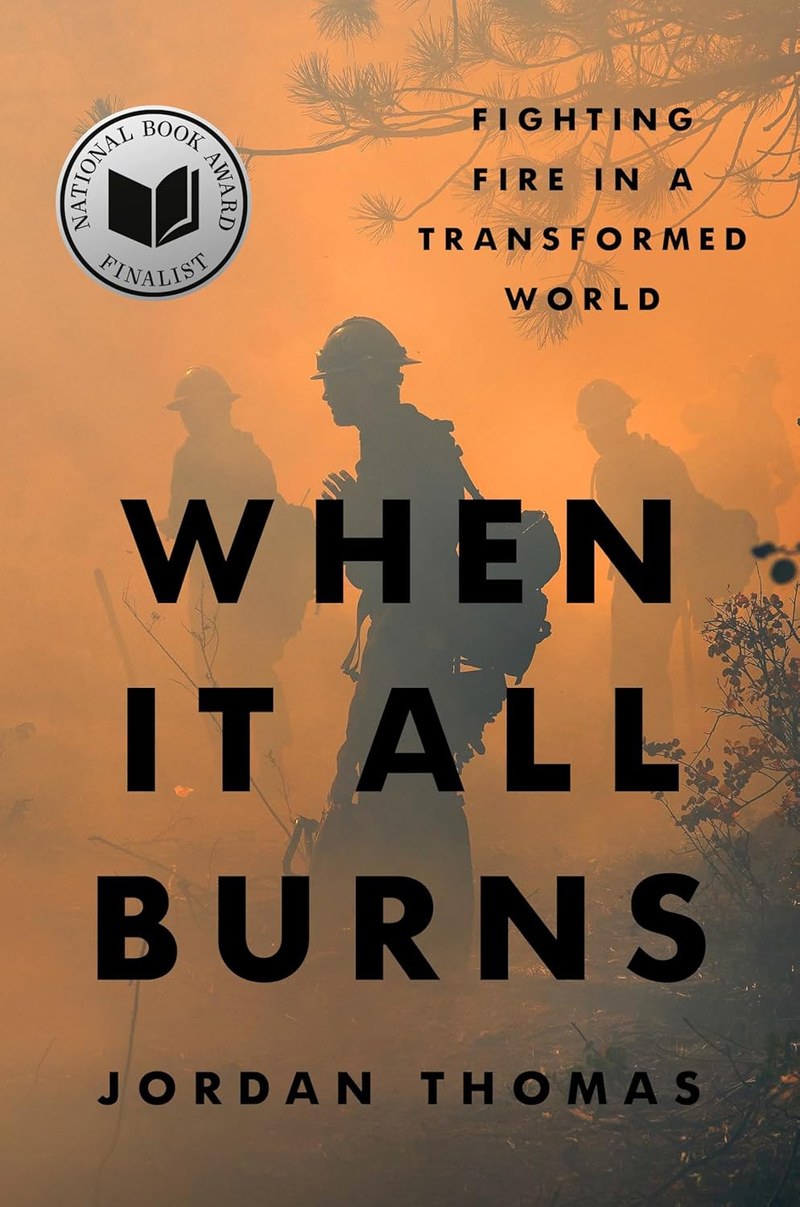
In When It All Burns, Thomas blends years of deep scholarship with his experience as a wildland firefighter with the Los Padres Hotshots to provide a comprehensive account of what it means to survive megafires today.
The best parts of this book are with the hotshots. This a small, macho, elite world. Simply moving through this kind of wilderness is exhausting work, lugging 50 pound packs up and down mountains and through dense thorn thickets. Fire on this scale is one of those awesome phenomenon, with stratospheric plumes of smoke that generate their own weather systems, a bone-shaking roar, and an apocalyptic glow that says “be anywhere else.” I cannot comprehend the fortitude it takes to work under these conditions. The men of the hotshots shine: Aoki, Edgar, Drago, Marlon, and all the others.
The more scholarly part of the book takes a looping journey through the consequences of capitalism. Humans, fire, and burned ecosystems coevolved, and few places were more fire-reliant than pre-colonial California. Every Indian tribe skillfully used fire to clear and enrich the land.
This human fire chain was deliberately broken: first by Spanish missionaries who had to make traditional lifestyles untenable to keep Indians as slaves in the mission system, and then by American settlers who wanted everything for themselves. Over 90% of California’s Indians were murdered by state and vigilante violence in a few decades in the mid-19th century. Chaparral and forest ecosystems ceased being productive in-and-of themselves, and became stores of lumber and agricultural value. For well over a century, every fire was rapidly suppressed.
A century of fire suppression, in combination with fossil-fuel driven climate change, has created the contemporary tinderbox of the American west. When fires start (and they always will), everything burns, even supremely adapted organisms like sequoias. Megafires ravage millions of acres, consuming everything in their paths. Past firefighting knowledge is useless.
Hotshots are the elite of the wildland firefighters, with a preternatural ability to read forest conditions and manage risk. But they earn subsistence wages, and as temps rather than full-time government employees, lack healthcare. Injuries and cancer are common, and the only safety net is GoFundMe. The two week on-three days off fire season schedule and psychological demands of the work are incompatible with stable relationships. It’s a brutal life.
Thomas closes out by remarking that we can bring back indigenous fire practices, and that collaborative controlled burns and reasonable levels of logging are possible. The way forward is complex and challenging, requiring both more funding and a lot more care than fire currently gets, but the alternative is an inevitable megafire.
As a dedicated fire amateur (I know some professionals), this book systematically presents a lot of useful perspectives in a fascinating manner.