
Where the Axe Is Buried
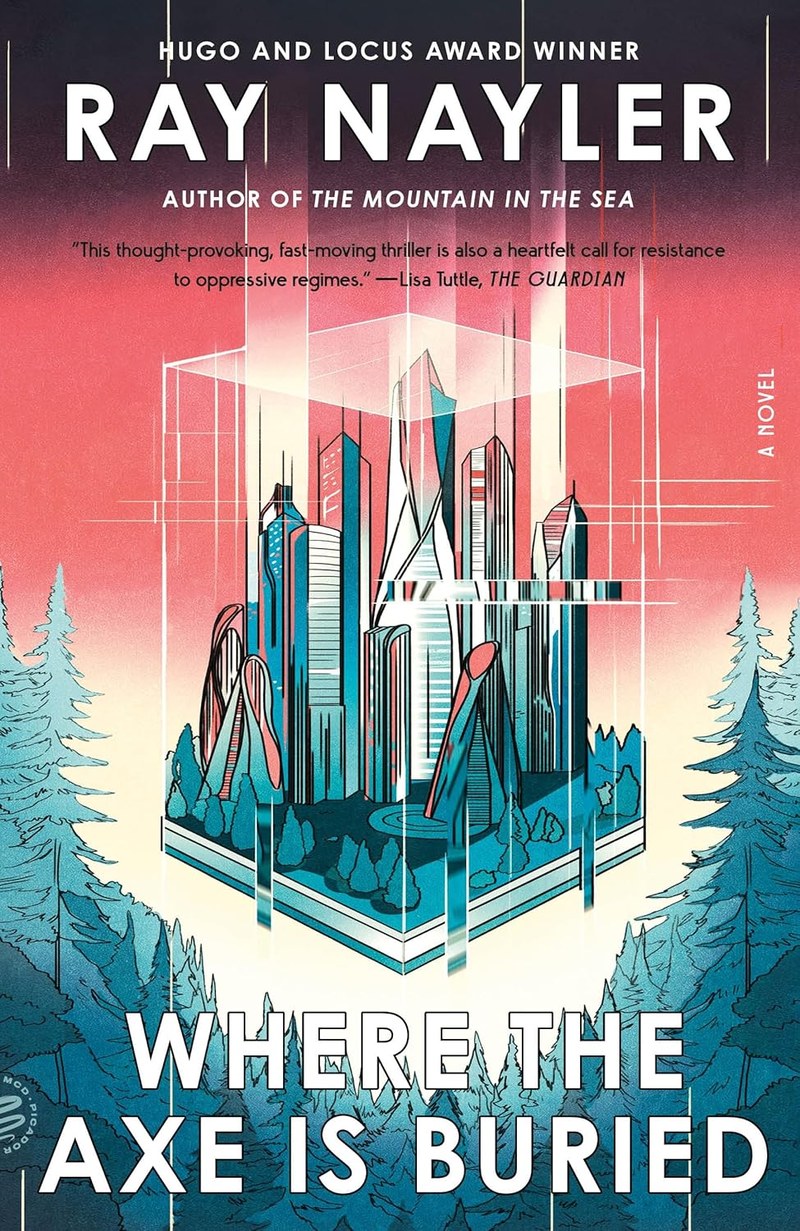
Where the Axe is Buried is a spy thriller aping big idea fiction, linking thoughts about liberty to examples in nature. In the near future, much of the world has fallen into tyranny. The European Union has turned the details of its governance over to the PMs, carefully sandboxed artificial intelligences that manage the economy for the common good in a time of climate pressure.
The EU version is the soft tyranny of modernity extended. You can make any choice you want, as long as it’s about what brand of soft drink to buy. The Russian Federation is the iron hand version, a classic Stalinist dictatorship with social credit scores, secret police, a gulag archipelago, and an immortal President, who uploads his mind between bodies to rule forever while fencing the Federation off from the decadent west.
The story follows three main characters, and a few secondary ones. Lilia is a brilliant computer scientist who returned to the Federation from Britain to see her dying father one last time, and has become trapped. She invented a breakthrough in neural networks that might offer an escape for the Federation.
Nurlan is a parliamentary staffer in an unnamed Republic on the fringes of both Europe and Russia (Georgia, perhaps?) His parliament is under siege from protestors outraged at the PM’s rapid increases in energy prices.
Nikolai is the President’s personal doctor, maintaining the immortal ruler’s continuity as he goes through another death and rebirth, and trying to deal with his moral compromises at the center of the security state.
Zoya and Palmer are secondary characters. Zoya is the last dissident, exiled to the Siberian taiga. Her book The Endless Argument frames the politics of this novel. Palmer is Lilia’s British boyfriend, an ordinary bloke trying to figure out what happened to his girlfriend, starting with if Lilia is even alive behind the Iron Firewall.
Nayler spent a lot of time in the former Soviet Union, and there’s a great deal of authenticity in the characters and the setting. But the plot is one of mysterious propulsion from place to place, as the characters are wrapped up in a networked conspiracy that squeezes through the interstices of the omnipresent surveillance network with magical data obscuration devices. This organization goes beyond cellular to totally cryptic, delivering messages via bug drones that spell out messages and vanish down the drain, or setting up 3D printed safe houses in the middle of nowhere.
Nayler envisions a collapse of tyranny and a return to authentic human freedom, but his ambition outstrips his abilities. I still enjoyed this book, but like late-career William Gibson it’s style over substance.