
Becoming Attached: First Relationships and How They Shape Our Capacity to Love
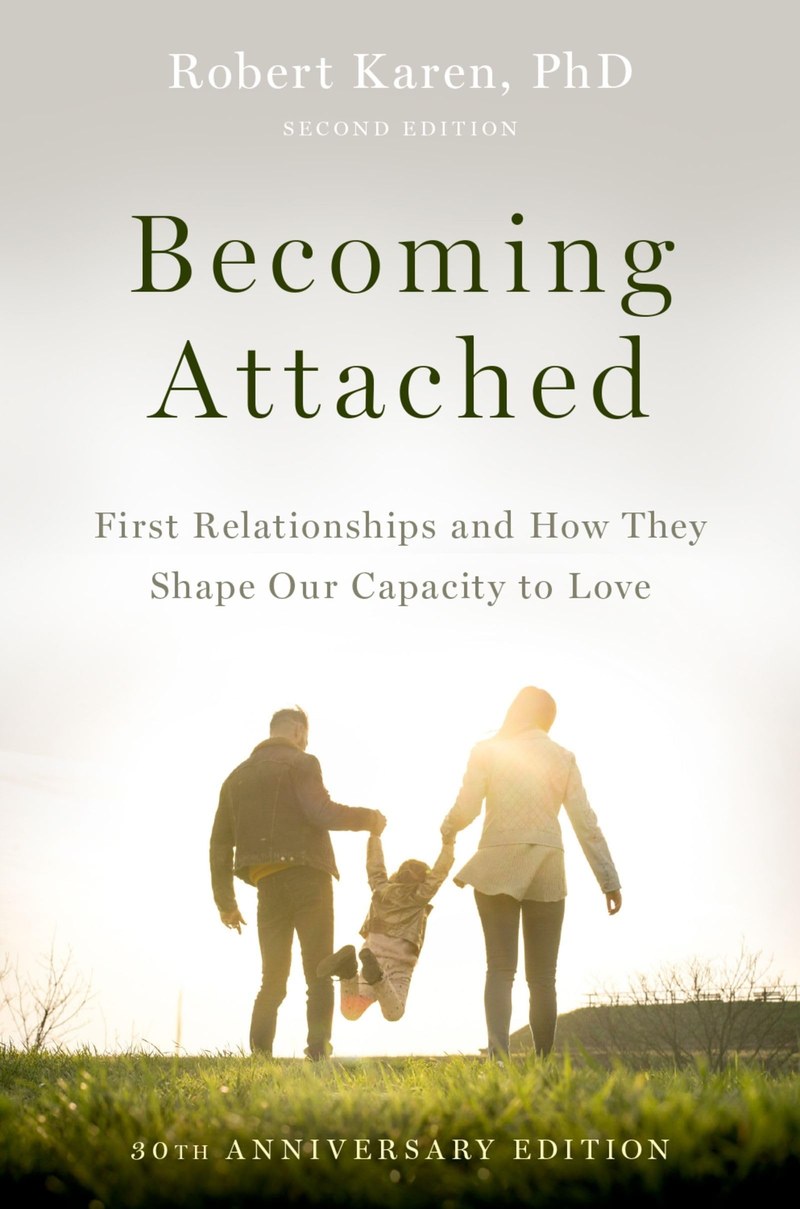
Becoming Attached is a popular history and gloss of attachment theory in psychology as developed by John Bowlby and Mary Ainsworth. These days, attachment terminology is commonplace; there are scores of attachment-based self-help books. But every theory has an origin, and attachment theory’s origins are nearly as fraught as plate tectonics.
The basics of attachment are that the relationship between a child and caregiver (typically a mother) in the first year of life is key. Babies have three attachment styles: secure, anxious, and avoidant, which can be easily seen in the Strange Situation test as developed by Ainsworth, and these attachment styles are stable through later life and pattern professional, social, and romantic relationships.
Bowlby started the theory working with profoundly unattached children. In the late 1940s and 1950s, a rather sterile form of institutionalization was common, both in orphans and in children undergoing hospitalization. These profoundly deprived children suffered immense emotional damage, and proved incapable of bonding with people later in life. The accounts of outright abuse perpetrated under the guise of scientific treatment open the book, and are extremely alarming. Bowlby’s work prompted immediate reforms, which included parents staying with children in the hospital during care.
Ainsworth had a more indirect journey to attachment, developing her Strange Situation test, which involves the mother leaving the baby alone for a minute in a lab setting in Baltimore, Ghana, and Milwaukee. Ainsworth developed the three styles of attachment and trained numerous attachment scholars.
One thing that comes through is how unpopular attachment was at first. Interpersonal relationships simply didn’t fit into psychoanalytic theories, and Bowlby was effectively ostracized from British analytic meetings for decades. Similarly, Ainsworth’s scales are more subjective and interpretive than the then dominant behaviorist school preferred. Despite attacks, attachment provided a middle-ground between perspectives with immense explanatory power.
For all its strengths, this book has some flaws. Karen does not adequately elucidate the difference between ambivalent, anxious, and avoidant attachment styles. While I firmly believe that the abuse Bowlby recorded can cause damage to children, there’s a lot less certainty about more mundane parenting choices, including those designed to increase a child’s independence (is my son being harmed when I tell him he definitely can put on his pants by himself?), and the daycare wars, over whether daycare was damaging to children, were resolved in favor of daycare by default.
This book has a lot of dramatic storytelling about academic psychology and some solid background, but I’m sure the past 30 years have produced a better introduction to attachment theory.