
Esalen: America and the Religion of No Religion
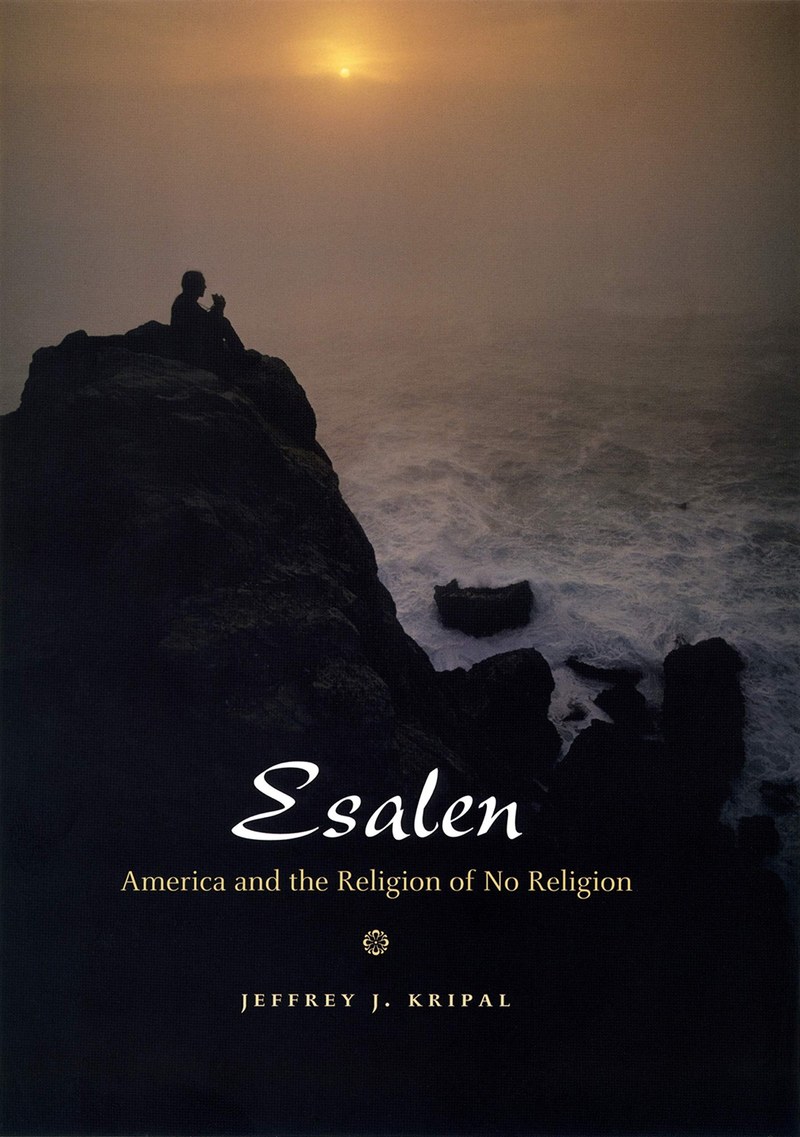
Kripal opens the book by noting that Esalen is a place of synchronicity, where connections form without apparent causes. Synchronicity is something I can confirm myself. On my one visit (so far), I sat down with two strangers: One of them was also there for her birthday which was that evening, and the other one had been in Mammoth Lakes the weekend prior, where I had just had a late summer vacation. The site, perched on cliffs above the Pacific, centered around the waters of the hot springs, is paradise on Earth.
Kripal’s book is a serious intellectual history of the mission and accomplishments of Esalen. His framing is that Esalen is a (perhaps the) leading center of the Western development of the Tantra, an inter-religious, inter-philosophical practice of enlightenment of the body. Tantra draws from Hindu and Buddhist religious practices, syncretically picking up what is useful where it can, and putting these practices in deep conversation with Freudian beliefs about the unconscious.
The two founders of Esalen, Michael Murphy and Dick Price, were both immensely influenced by Stanford Professor Frederic Spiegelberg, a noted Sanskrit scholar. The Murphy family owned the land the hot springs were on. At the time, the baths were a gay hookup spot, a strange place for 1950s queer culture overseen by the rugged and austere Big Sur locals. Michael kicked out the occupiers in the “Night of the Dobermans”, and founded Esalen proper in 1962.
It’s easier to list who in the counter-culture wasn’t at Esalen. Aldous Huxley, Timothy Leary, and ethnobotany/psychedelia were major early presences. Joan Baez lived on site and gave concerts. Abraham Maslow and Fritz Perls developed humanistic psychological theories through intense hands-on encounter groups. The institute was profiled in Look, Time, and The New York Times. There were various ups and downs through the decades. Finances were always shaky and Dick Price died in a tragic hiking accident in 1985. In notable successes, a US-Soviet diplomatic program (initially organized around parapsychology research) brought Boris Yeltsin to the US and may have meaningfully contributed to the end of the Cold War.
Kripal acknowledges that Esalen is a flawed organization. Notably, it represents a white and wealthy slice of a spiritual movement. Getting to Big Sur for an extended period of time takes resources. There have been some minor revolts by the staff, and various managerial crises. More than a few people have killed themselves at Esalen, though it is also fair to say that the place is a last resort for souls in crisis, and perhaps no community could have healed everybody. The institute has made some progress with the Esselen tribe, who were the original inhabitants. And unlike many in the New Age movement, no one has captured the flag (to borrow an Esalen motto) and it’s avoided many excesses of authoritarian guruhood.
A comprehensive survey of a place like Esalen is impossible, but Kripal’s book does a solid job of framing the goals and origins of the human potential movement and its key contributors.