
Fast Movers: Jet Pilots and the Vietnam Experience
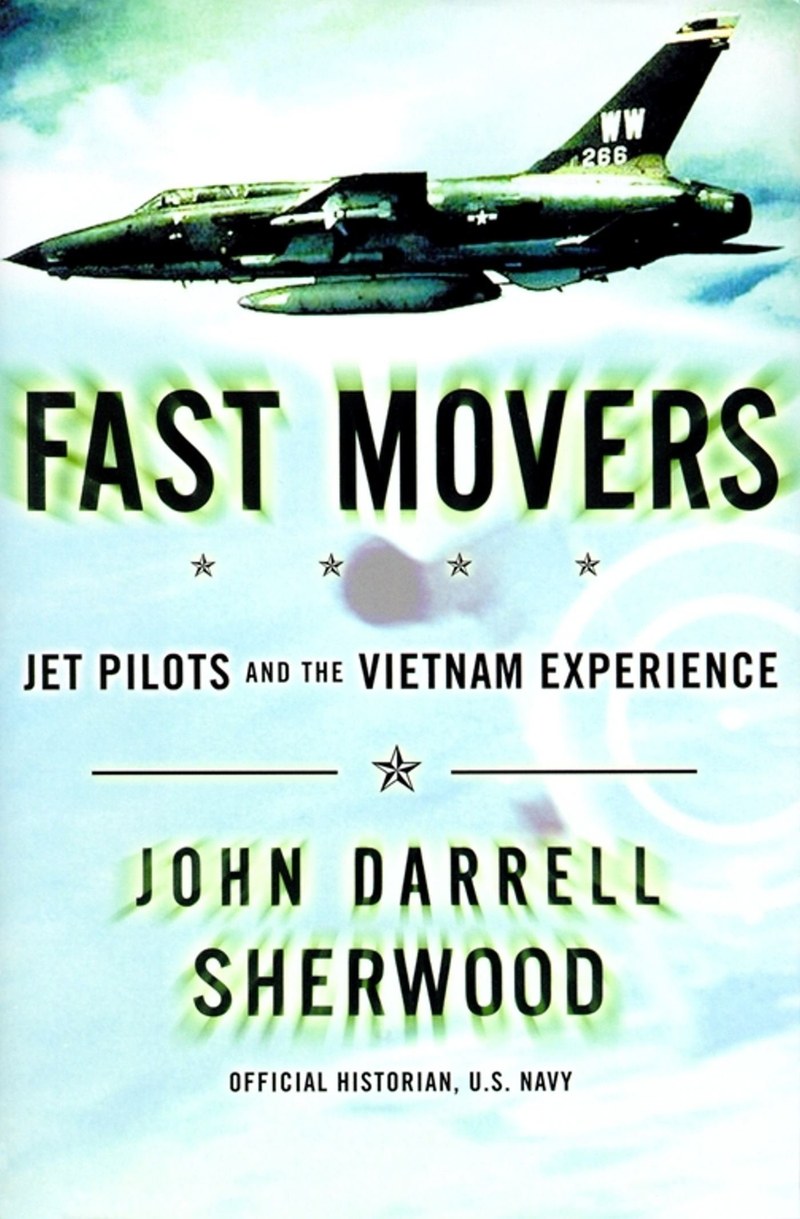
Fast Movers is a solid biographical survey of jet pilots during the Vietnam War. Sherwood is a real historian (PhD, official US Navy historian) and had plenty of access to major figures, such as Robin Olds and Ed Rasimus.
The thesis of the book is fairly conventional. The high tech apparatus of American airpower was horrifically mismanaged during the Vietnam War, hampered by the political restrictions of Rolling Thunder, the technical limits of 1960s-era electronics which promised more than they could deliver, and systematic failures in training and personnel policy. Despite these barriers, individual aviators achieved significant successes, following their own culture of fighter pilot aggressiveness. Essentially non-political (lol, perhaps lmao), pilots flew for the sheer joy of it, for the ultimate test of manly virtue, and to “let it all hang out” by flying into danger in the service of their fellow pilots.
Col. Robin Olds is the most famous pilot of the Vietnam War. As commander of the 8th Tactical Fighter Wing, he organized and led Operation Bolo, a ruse which saw F-4s flying F-105 bomber paths and using F-105 callsigns and electronics, which lured PVNAF MiGs into an ambush. Olds’ command style was of absolute equality with his men. He’d close the bar down, earn their respect by being the best aviator, and damn higher command. Olds is negatively contrasted with Navy Commander Roger Sheets, who led Vulture Flight of A-6s on many high stakes missions, including the mining of Haiphong harbor, which was coordinated with Nixon’s speech on the matter. Sheets formed a lackluster Marine aviation squadron into one of the best, showing the importance of command culture, but he also knew how to maintain the distance of leadership and keep his chain of command happy.
The chapters on the prisoner of war experience are illuminating. Perhaps even more illuminating is the womanizing. Sherwood and his subjects are frank on the topic that the best part of a South East Asia deployment is the easy access to and high quality of prostitutes, something not exactly in line with modern culture, particularly the Evangelical Christian Nationalist freakshow that is the modern USAF.
As a short book, Fast Movers provides a solid overview to more focused memoirs, like Olds’ and Rasimus’ works, or Bury Us Upside Down on forward air controllers. While it synthesizes the field and tells some good stories, it doesn’t do much to advance scholarship. More seriously, I think it overfocuses on fighter to fighter combat over bombing runs and especially close air support in South Vietnam. While Sherwood is honest about the many flaws in the airpower system: notably Air Force pilots flew 100 mission tours, Navy pilots flew for the duration and till burnout; the Rapid Robin component of Rolling Thunder prioritized sortie count over combat effectiveness or safety; and the Air Force’s air-to-air combat training was basically absent until 1972, there is a lot more to criticize which the book doesn’t cover. History is always a matter of choices, but there are more interesting things to say about airpower in the Vietnam War.