
Kim
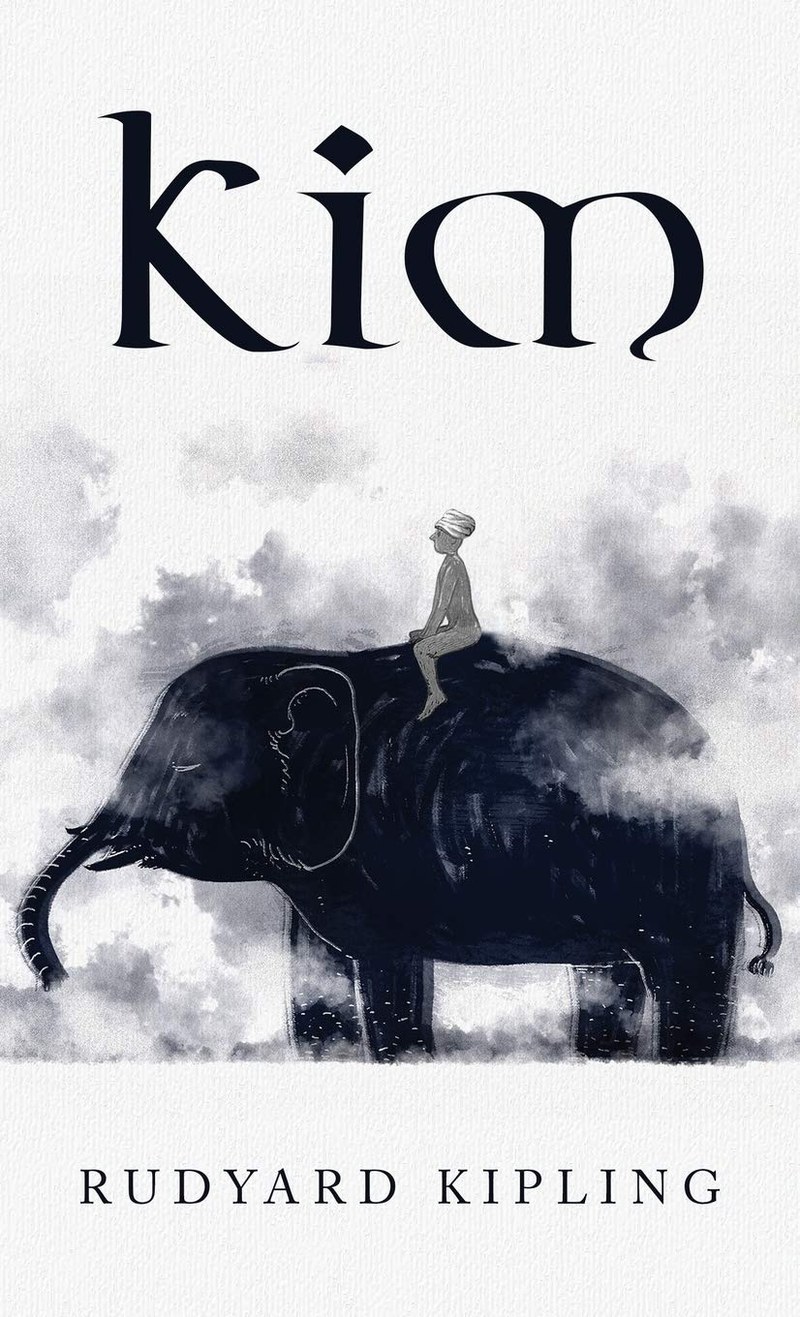
Kim takes on a wandering picareque through late 19th century Colonial India. Kim is the orphaned son of an Irish soldier, a charismatic and daring boy of the bazaar who can make himself instantly at home in any of the myriad communities that make up India. Kim falls in with a Tibetan Lama searching for the River of the Arrow, a mystical stream that cleanses sin, and finds his own destiny, as a secret errand for a Pathan horse-dealer conveys vital intelligence in the Great Power struggle against Russia. Kim is recruited into the Indian secret intelligence service as a bit player in the Great Game, where he uses his natural abilities to foil a pair of Russian agents in the Himalayas.
This book is at its best in its sincere appreciation of polyglot and polyvalent 19th century India, a land of a million distinct castes and professions, ancient traditions existing uneasily next to railroads and European-style administration. Kipling, for all he’s cast as brutal imperialist, has a sincere appreciation for the worth of all the people of colonial India, and the vivid lives of the locals. Their
faiths, their jokes, their back-and-forth over profane priests, begged meals, charms, business and travel, are all appreciated much more than the deadly machinations of the spies and chiefs of bureaus. I enjoyed the Buddhist framing provided by the Lama, as the most important character next to Kim.
That said, the writing is wearing, a rolling river of phrases that flash colors without capturing a picture. A few scenes with actual tension rise above a plotting that is basically a ramble.