
Lenin's Tomb: The Last Days of the Soviet Empire
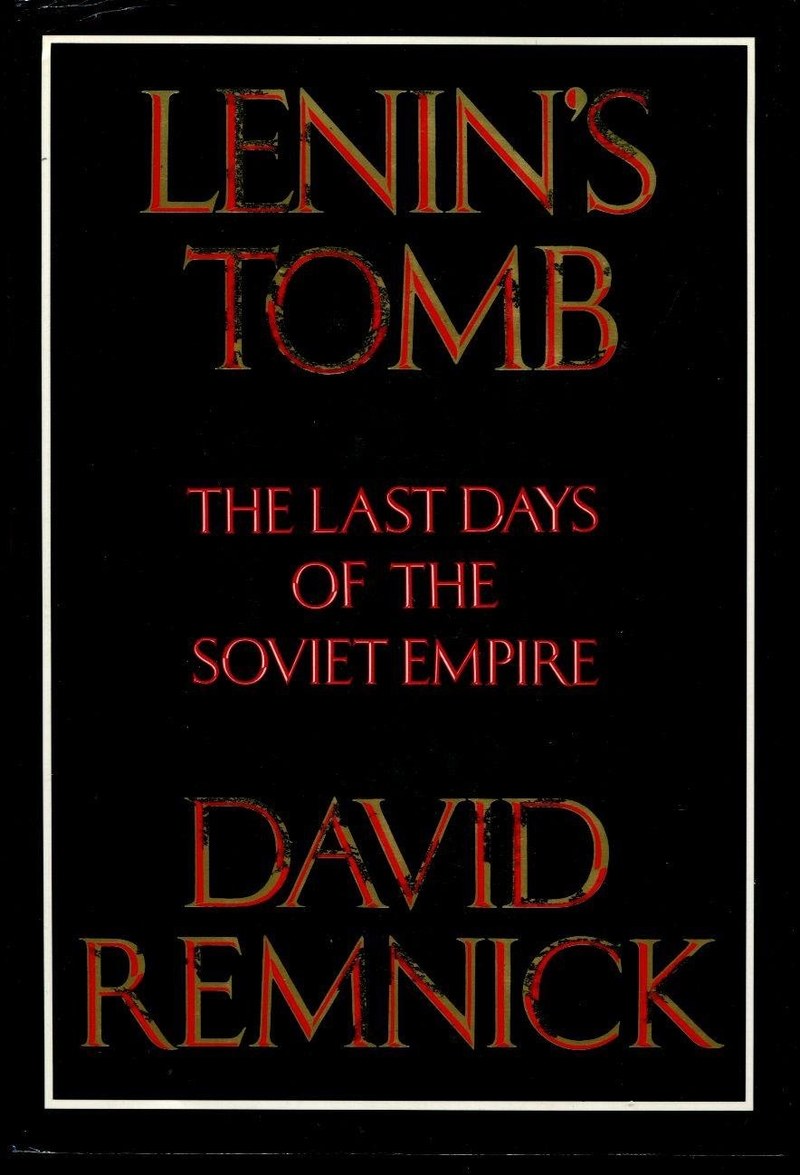
Lenin’s Tomb is an eyewitness account of the end of the Soviet Union, from a Washington Post reporter who was there. As a journalistic account, it’s history’s first draft, and is strongest mostly in how it encounters the ordinary (and sometimes extraordinary) Soviet citizen.
The USSR in the late 80s was beset on all sides. Resnick begins with the ideological, the growing awareness of how truly atrocious Stalin was, and how everything that everyone was taught in schools and required to believe was a lie. A handful of renegade historians and activists began simply compiling the names of the dead and disappeared, tens of millions of people executed or exiled to the Gulags to die in the name of state terror. Every family had its own story, the fathers arrested and vanished, the neighbors gone one day and never returned, and no one was allowed to say so openly. An empire runs on myth, and the myth of the Soviet Union was the first thing to crack under perestroika.
The second issue was economic. The system simply could supply adequate housing, food, or consumer goods to the people. Collective farms were a man-made ecological disaster. Color TVs exploded, a leading cause of house fires. One divorced couple was still living together five years later, because there were no extra apartments. Mines were Dickensian nightmares. The only things that did work were for the Communist Party: Grand roads, headquarters, and private stores full of foreign goods.
And of course, there were other issues, like Chernobyl, nationalist unrest in the Warsaw Pact, increasingly obvious military inferiority versus the United States, and so on, but history and economy were the two big ones.
Remnick chronicles the collapse of the USSR, first slow and then all at once. Gorbachev knew the system needed reform, but he was unable to hold together an alliance with liberalizing forces and instead try to placate the authoritarian right. His embrace of Party loyalists proved his undoing, as he was deposed in a coup. The coup did exactly one thing right, in that it arrested and sequestered Gorbachev at his Black Sea dacha. However, 70 other high profile opposition figures in Moscow were not arrested, and when tanks rolled into Moscow to surround the White House (the Russian parliament building), Boris Yeltsin was able to hold on for three critical days, troops were unwilling to commit fire on civilians like in Budapest, Prague, Vilnius, Tiananmen Square, etc, and the plotter’s emergency committee collapsed in disarray.
The best parts of the book are interviews with people trying to reform or replace the Soviet system across the country, all of them knowing how great the task is. And their counterparts in the committed Stalinists, often survivors of the Great Patriotic War, who could put away the brutality in the name of “order” and national greatness.
Three decades on, this book is even more of a tragedy. Nothing really changes. Russia got a decade of shock therapy and then Putinism. The czar’s aristocrats morphed into the nomenklatura became the new capitalists, with only slight turnover. In 2025, Russia is still Upper Volta with nukes, and Putinesque hybrid warfare and rightwing conspiratorial elite capture is more effective than Cold War pan-leftist outreach ever was.