
Seize the Fire: Heroism, Duty, and Nelson's Battle of Trafalgar
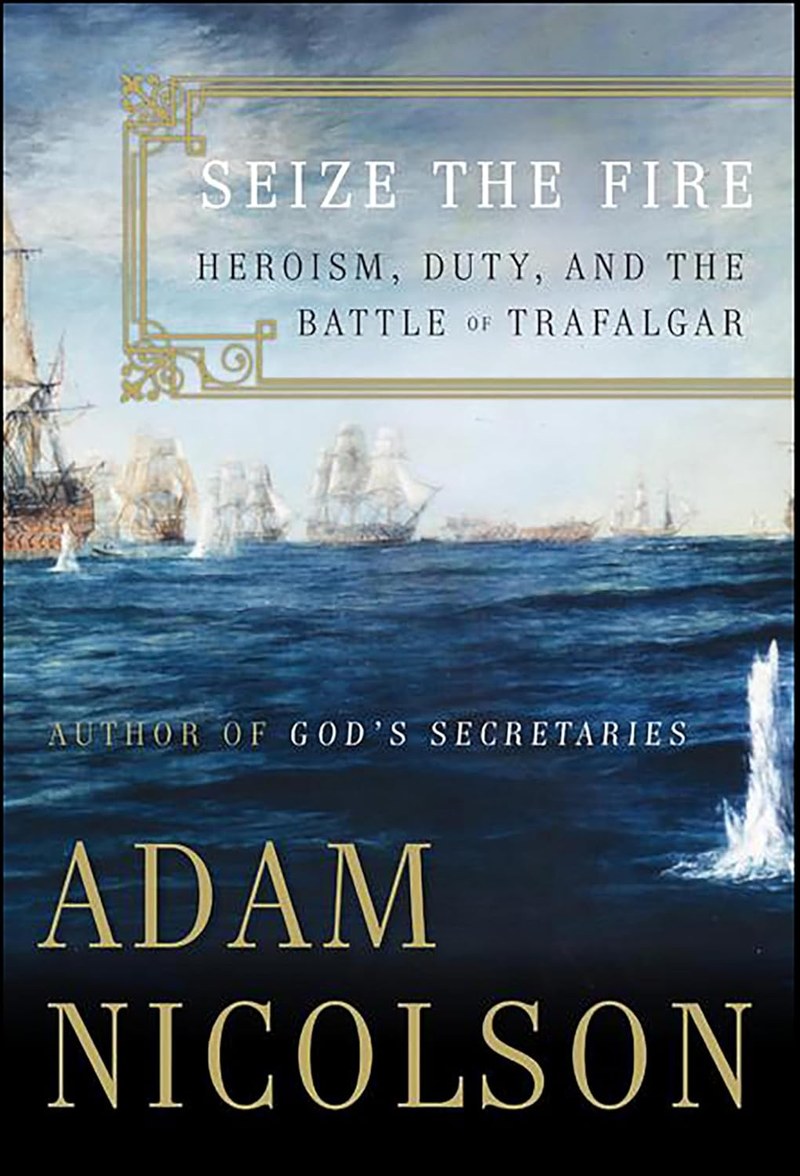
Seize the Fire is a cultural history of the Battle of Trafalgar. Trafalgar is of course the exemplar of the decisive naval battle, the occasion where Britain sealed its command of the seas for the next 140 years. It was an absolute victory, marred by the tragic death of its central hero, Admiral Nelson.
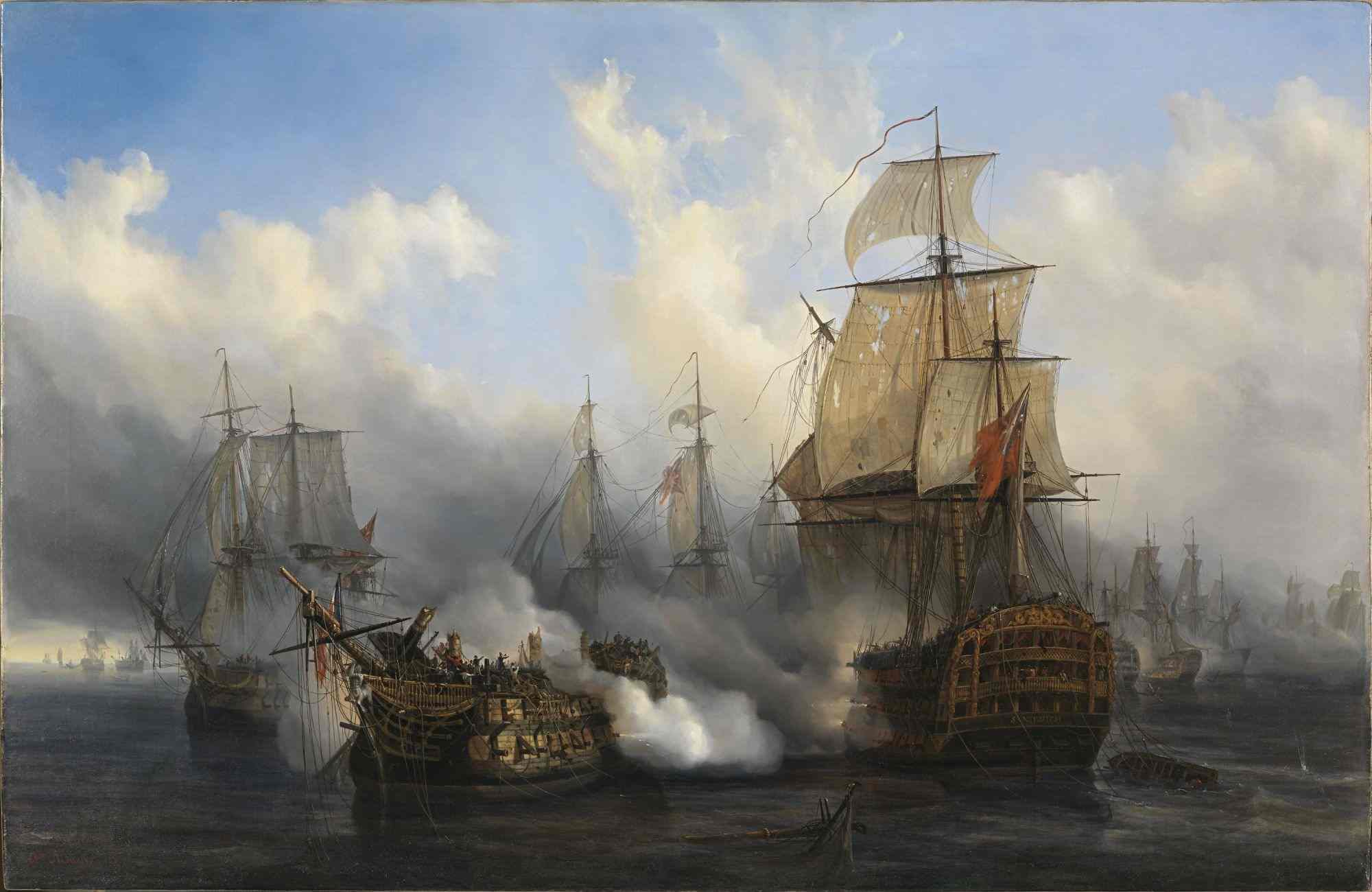 Trafalgar by Auguste Mayer
Nicolson casts the battle as the intersection of several converging cultural norms, which Britain inherited and combined. The first was violence, the essence of warfare back to Achilles. Fury was contrasted against the professionalism of sailors, a kind of Roman civic virtue. And finally, this violence was tempered by love, and a distinctly Christian notion of common humanity.
From a tactical perspective, the battle was not particularly special. France and Britain had started the Napoleonic wars at rough numerical parity, but by 1805 Britain had a 4:1 advantage in warships. The combined French-Spanish fleet slightly outnumbered the British, but was more equal in terms of broadside weight. In less tangible qualities, there was no comparison. The British fleet was crewed by veteran sailors, though all ships were undermanned. The Spanish and French crews consisted in large part of almost untrained landsmen. Some of the British ships were worn, but the combined fleet was rotten. Most crucially, Nelson’s captains, his “band of brothers”, combined immense professional skill with an honor and profit driven culture that ensured every single one of them would close and destroy the enemy. The French and Spanish officers distrusted each other, had little sea experience, and expected defeat. The fleet that left Cadiz was lambs, sailing into the jaws of the wolves.
Nelson’s tactical plan of breaking the enemy line had become British orthodoxy, but he broke from its details (ships formed up in divisions, a coordinated charge from just out of cannon range) in preference of a headlong rush in two columns to catch the enemy before the breezes gave out or an oncoming storm let the enemy escape. This exposed Nelson in Victory and Collingwood in Royal Sovereign to crushing fire from multiple enemy ships before the rest of the British fleet could arrive.
Nicolson goes into depth on the brutal violence of the age of sail combat. Cannonballs and wooden splinters dealt horrific fatal wounds, turning men into mangled remains. A storm of metal flew through the air and blood literally stained the seas. He also devotes an equal amount of time to the cultures of the participants, and particularly the striving military bourgeois of the British against the hidebound Spanish and stultified French.
Nelson’s plan exposed him to immense personal risk. He seemed to have a premonition this would be a fatal day for him. He was mortally wounded by a musket ball (Nicolson argues it was a ricochet) and bled out over the course of three hours as battle raged above him. His final moments were recorded in great detail by surgeon William Beatty, becoming the capstone to the Nelson myth, the moment where a man transcended life to become a Hero.
This book will not satisfy someone expecting a conventional military history, but it’s a great explanation of a whole era. This is true historical drama, on par with the Aubrey/Maturin novels.