
Shadows of the Short Days
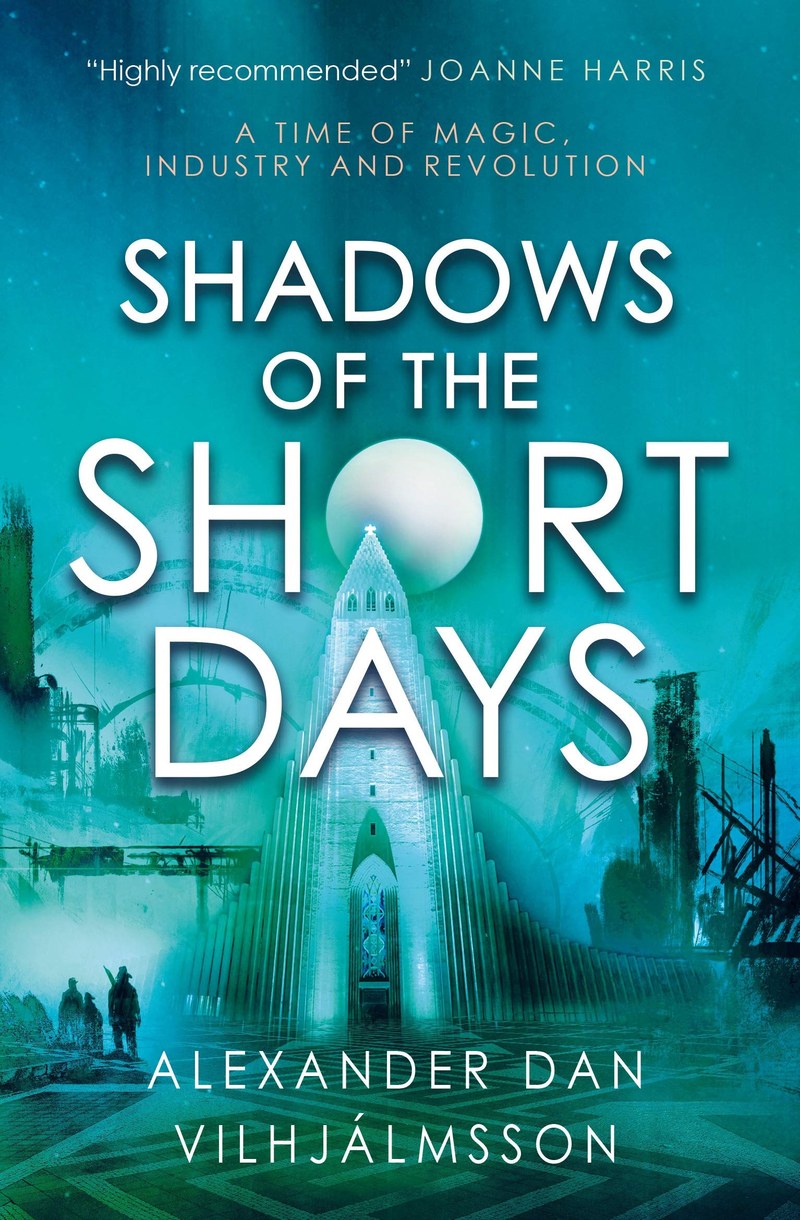
Welcome to Iceland, though not quite our Iceland. Magic is real, and the tradition has been made scientific and industrial by colonial oppressors. Parahumans of various sorts share the streets with humans. The city teeters on the edge of catastrophe, and our two characters are going to push it over the brink.
Gárun is a revolutionary, a graffiti artist whose half-human and half-huldufólk parentage marks her as an outcaste and illegal to both communities. She sprays sigils on businesses that she despises, and tries to organize the people against the regime. Sæmundur is a sorcerer, expelled from university for his radical theories about galdur, a dangerous kind of demonology, and uncompromising in his quest for understanding and power. The two of them used to be lovers, but broke up over Sæmundur’s shame about Gárun’s race.
To be blunt, both of these characters are immensely rigid and unlikeable. We meet Sæmundur in his hovel, where he wakes up, smokes magic weed, uses his electric bass to turn dirty laundry into a clothes golem to buy more weed, and considers that he really should have done laundry before his disciplinary hearing. Any slacker charm he has is quickly lost, as he commits two murders and sacrifices a cat in his quest for unholy power.
Gárun is an anarchist who doubts the purity of everyone around her. Her program is one of provoking violent overreaction from the state, aided by her use of magical sigils to sow discord around the city and make her own allies willing to sacrifice their bodies under the clubs and bullets of the militia. She consciously uses rage as a personal goad, and while I respect her ends, she’s no less willing to burn the world for ambition than Sæmundur.
This book is consciously inspired by Perdido Street Station, with its outsider protagonists, industrial magic, radical politics, and unhappy endings. But everything snapped into place when I found out the author is also in a metal band. Shadow of Short Days is overweeningly consciously BRÜTAL, just slam after slam at maximum intensity. There are a few moments of relative lightness; I’ll call out flashbacks to Gárun’s (fairly horrible) childhood, the blue bones of demon-corrupted sorcerers, and anything related to Naskári (spelling?), fierce three legged avian warriors who are righteous criminal barbarians. Mostly, however, this book is a pounding journey towards a bleak end.