
The Cultural Cold War: The CIA and the World of Arts and Letters
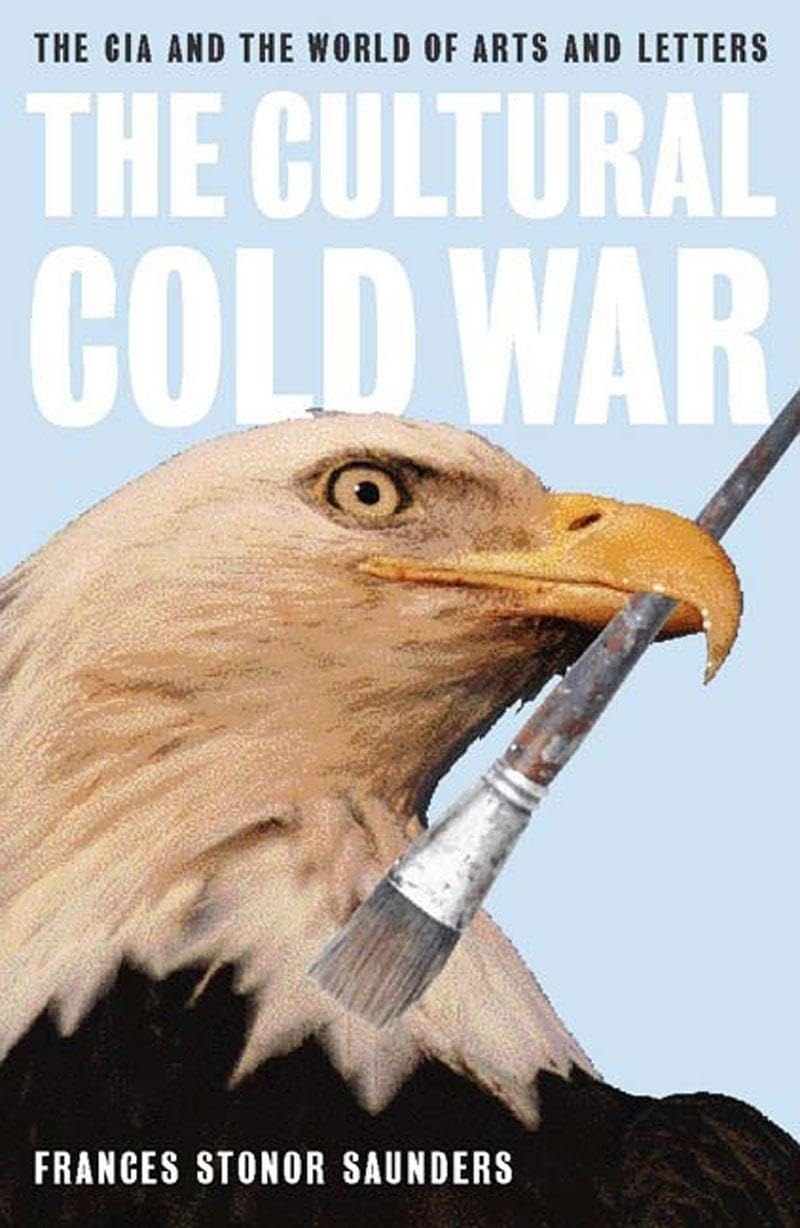
The Cultural Cold War is a deeply researched study of a tempest in a tea pot. In the immediate aftermath of WW2, several OSS associated American figures: Michael Josselson, Melvin Lasky, and Nicolas Nabokov (cousin of the famous writer), noticed that the Soviet Union was beating the pants off of the Western Allies in terms of propaganda and cultural prestige, and that this should be countered by every available means.
These arguments found an avid audience in the newly formed CIA, and the interlocking establishment apparat of WASPy Groton-Yale-Harvard types who formed the backbone of the American elite and the CIA’s upper echelons. Under the aegis of the Congress for Cultural Freedom, the CIA funded a wide variety of anti-Soviet efforts, from showcases of composers banned as “decadent” under Soviet musical practice, to translations and distributions of books, and the organization of conferences and elite-centered journals. All of these organizations concealed their CIA ties, forming a means to organize the Non-Communist Left from pro-Communist attitudes towards neutrality and from neutrality to Atlanticism.
The deceit was probably necessary. An American Ministry of Culture, or “white propaganda” programs out of the State Department, would have attracted reflexive disdain from European intellectuals and know-nothing American conservatives. It also proved the fatal unravelling of the enterprise in the late 1960s, as sloppy finances made it obvious that the foundations which funded the Congress and various magazines like Encounters were little more than CIA shells.
As far as CIA activities went, this was all probably harmless. Saunders doesn’t have complete figures, but the activities of the Congress must have been far less expensive than the covert sabotage programs and coups of the Office of Policy Coordination, which were less expensive than stationing another armored division in Germany, which was less expensive than developing a supersonic nuclear bomber. If anyone died, it was a consequence of high living at one of the Congress’ retreats; not assassination.
On the flip side, it’s hard to see what this effort actually accomplished. The Congress never damaged the prestige of Sartre and Camus, who rejected Stalinism on their own after the 1956 Invasion of Hungary. The Red Scare and waves of McCarthy associated censorship put the lie to the claim that America was a bastion of freedom. The escalating Vietnam War would have likely fractured the Non-Communist Left alliance eventually, even without the revelations about the CCF. And the ultimate cultural victory, the psychedelic exuberance of the Beats and the Hippies had nothing to do with any of the CIA’s cultural programs (maybe something to do with MKULTRA and Timothy Leary, but that was hardly part of a master plan).
This book is comprehensively and deeply researched, and covers an interesting period in history, though from an angle without much relevance. Many figures regarded as intellectual and artistic giants were funded in part by the CIA without much damage to their current reputation. Conversely, CIA money couldn’t keep many others from sinking into obscurity. Culture was a sideshow to the main action, be that in Moscow, Berlin, or Saigon.