
The Hidden Hand: A Brief History of the CIA
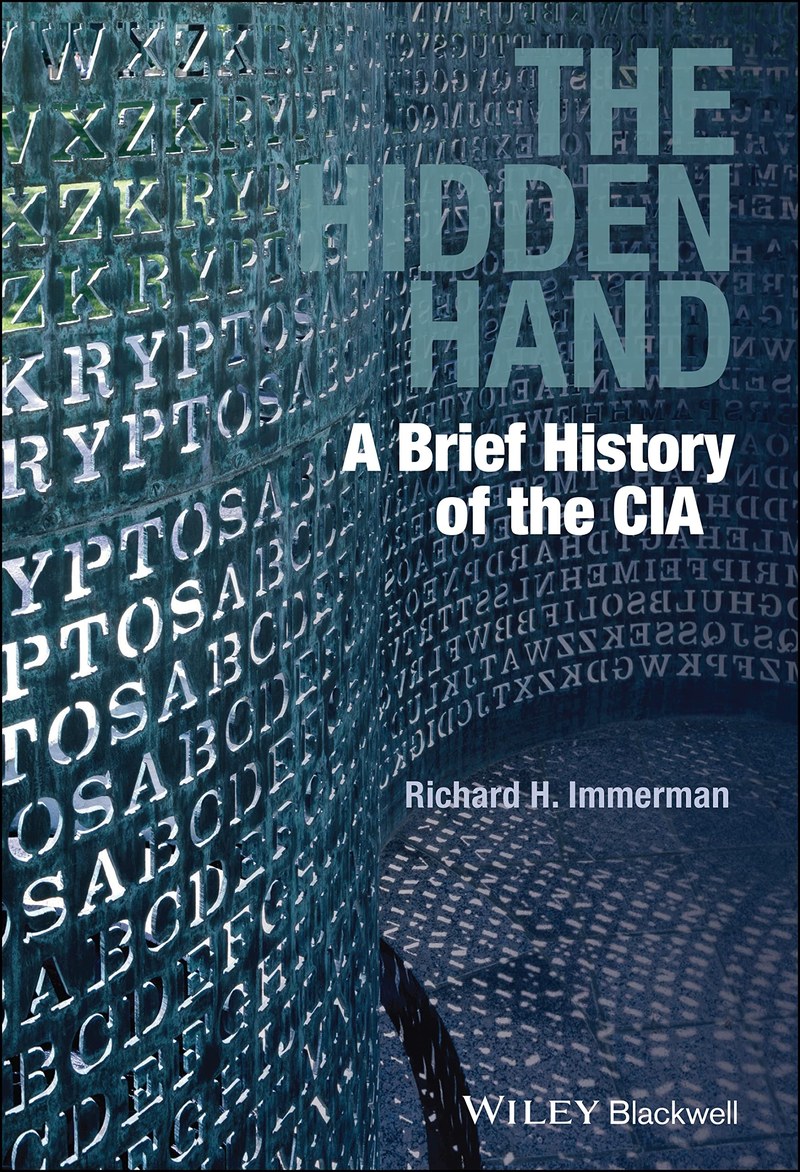
A history of any organization as complex as the CIA is hard to do briefly, in 264 pages, including footnotes. As such, Immerman focuses mainly on leadership, major legislative events in Washington, and only the most important elements of intelligence work.
Since the beginning, the CIA has been an organization with a divided mandate. It is supposed to be the premier collection, analysis, and reporting agency, providing world class intelligence to people from the President on downwards. Yet it has also been continually tasked with covert warfare, getting sucked into the messy business of propaganda, coups, and assassinations.
There’s a saying that there are only policy successes and intelligence failures, and the CIA has often served as a deniable shield for other failures. In the 21st century, the CIA didn’t ‘connect the dots’ on the 9/11 hijackers, despite ample warning prior to the attack, and was part of the politicized justification of the invasion of Iraq on false pretenses of Saddam’s WMD program. Through its entire history, the major complaints connected to the CIA are that the intelligence is often shallow and poorly analyzed. The CIA has had immense difficulties recruiting agents inside priority targets like the Soviet Union and Al Qaeda, and even worse outcomes keeping these agents alive.
Covert wars have been morally ambiguous, murderous betrayals of American ideals that have temporary successes leading to immense blowback, from the coup that installed the Shah of Iran to the Iranian Revolution, or covert support for mujahedeen leading to Al Qaeda.
The most interesting part of the book is the introduction. Immerman worked for the CIA as Assistant Deputy Director of National Intelligence for Analytic Integrity and Standards from 2007 to 2009, an effort to bring academic rigor to the intelligence process. Because he had access to classified material, this book had to be approved by the CIA’s internal censorship process, and is redacted in many places even though the sources are 100% open material.