
The Lost Soldiers
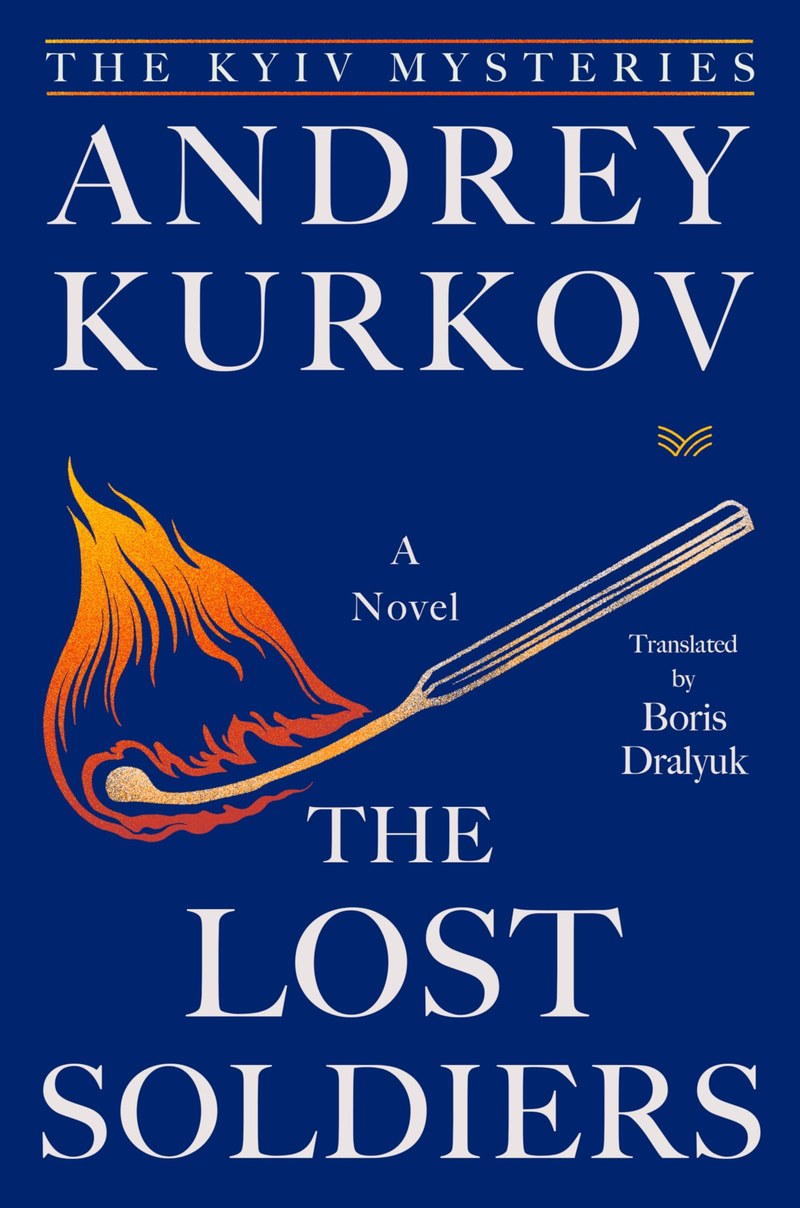
The Lost Soldiers had a glowing review in either The New Yorker or the London Review of Books, and was available through the library. What I didn’t realize is that it’s the third book in the series. I can’t tell if my indifference is due to missing a bunch of prior characterization or a real issue with the book, but either way, I probably won’t find out.
Samson is an unlikely detective in an unlikely time, Kyiv 1919, with the city under Bolshevik control yet threatened by anarchist armies, right-wing revanchists, and ordinary bandits. He apparently wound up in the job almost by accident; chasing his dead father’s desk which had been requisitioned, he found himself assigned to it as a detective.
In this, the third book, the case is the disappearance of 28 Red Army soldiers from a bathhouse. Is it murder? Is it political? Is it something worse? Samson has to unravel the case before the Cheka come down on him and the mundane cops.
As a detective, Samson is basically intuitive, following his instincts and aided by the magical realism touch of his severed ear, which he can still hear through. The case loops through Kyiv, cabbies, a criminal podiatrist, and the black market. The 1919 setting comes in little touches. Leaving Kyiv is dangerous, so no one does. Apparently there are shortages of everything from soap to turnips, not that it seems to touch the characters. Though Samson and his city police department aren’t overtly abusive of power, food and drink that are confiscated as evidence somehow find their way into the bellies of the officers. Samson’s wife Nadezhda is the character I was most interested in, as she ardently works for the Communist Statistical Bureau against the hatred of a city that sees their valuables recorded and confiscated, but she and Samson barely see each other.
I recall the blurb I read saying something about the mundanity of living through tumultuous events, and this book is definitely mundane.